
Tracksuit logo🤝Ron wave
Say hello! 😊

I’d love to join the Tracksuit team

Hi! I'm Ron – and I'm deeply inspired by Tracksuit’s mission, culture, and approach to product.

I've built this site as an expression of interest to share what excites me, how I think, and where I hope to contribute.

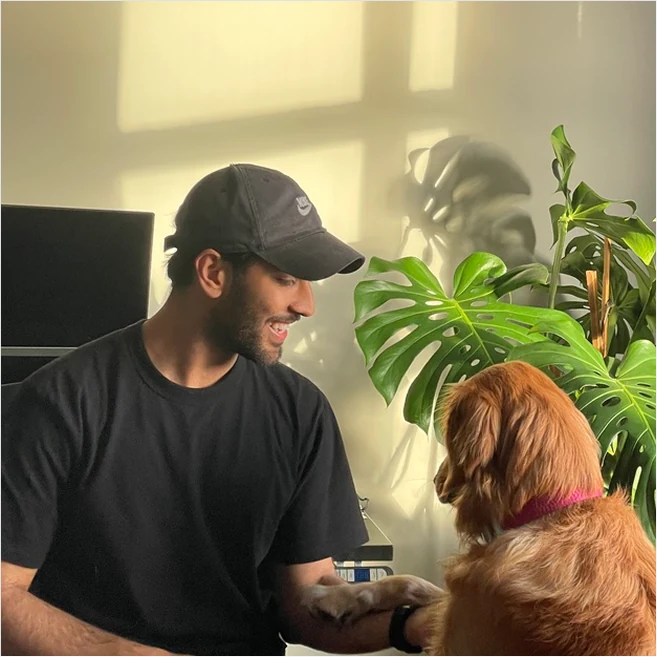
Ron with Lucy (placeholder)
Event placeholder

Why Tracksuit?

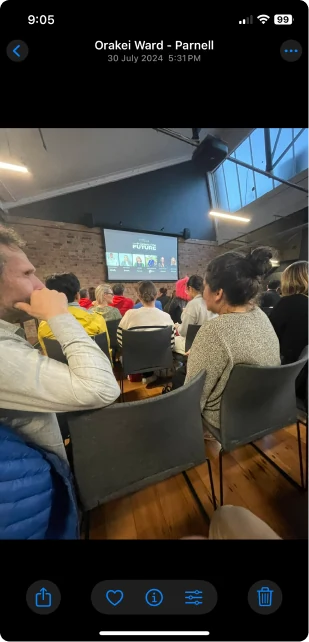
A lasting first impression. I first came across Tracksuit at an Icehouse Ventures panel event in 2024. The talks were packed with valuable insights but what stood out to me was how the first row was full of Tracksuiters attending at an after-hours event to cheer on Laura like game day.

Since then, every Tracksuiter I’ve met or followed has been the same - sharp, generous with their thinking, and genuinely kind. That combination is rare, and it’s stuck with me.

  • icon

    Ambitious team

    The energy of the team is contagious. It’s so clear when speaking to someone from Tracksuit that they’re extremely passionate about their work and drive towards excellence - exactly the kind of environment I’d love to be a part of!

  • icon

    Unmatched culture

    From collecting awards in tracksuits to breaking LinkedIn with celebration posts, you can feel the pride, care, and fun in how people show up for each other.

  • icon

    Human-Centered Product

    As someone obsessed with crafting delightful user experiences, I love how Tracksuit’s playful, intuitive design stands out from other analytics platforms.

What I’ve Been Working On

I genuinely enjoy designing and building things. So I’m constantly working on projects to improve my understanding, solve problems, or scratch a creative itch.

Here are a few projects I’ve particularly loved creating:

Moonstone - Revealing the stories behind playlists

Built and launched a full-stack app that analyses Spotify playlists. Surfacing insights like artist repetition, release decades, and patterns of activity overs time.

  • Challenge: Designing a cohesive analytics experience keeping it fast and visually engaging while wrangling API changes.
  • Learning: Storytelling with data is as much design as it is code. Making insights digestible relies on design.
  • Impact: Sparked genuine engagement across playlist curators - analysed 300k+ songs. Gave me a hands-on crash course in product thinking and development (and how scary launching something is).
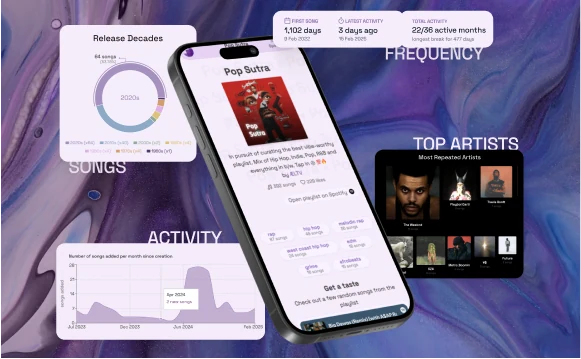
Moonstone UI

Rapid-prototyping at work - Building with AI to solve problems

At work, I’ve developed a habit of spotting friction points and rapidly building fixes. This mindset has helped unblock teams, create leverage for customers, and turn ideas into working tools in days, not weeks.

  • Custom Device integration. For one of our largest customers, I independently built a bespoke desktop app that connects their dimensioner machine into our shipping platform before peak sales.
    • Why it mattered: Their team was manually entering package dimensions for thousands of orders, incurring hefty penalties for incorrect entries.
    • Impact: Automated a key process, saved hours daily, and strengthened partnership with a high-value customer.
  • 3D Order Builder. An interactive 3D tool to visualise how packaging dimensions affect shipping cost and checkout rates.
    • Learning: Visual tools can drive faster understanding across teams and customers than documentation alone.
    • Impact: Helped sales and product teams communicate value propositions more clearly to prospects.
  • Unified KPI Dashboard. Built an internal dashboard aggregating data from Linear, Canny, and Zendesk.
    • Why it mattered: Teams were lacking visibility of key metrics and had to constantly switch between systems to gauge progress.
    • Impact: Created a single source of truth for tracking goals and aligning priorities.

Across all of these, AI acts as my co-pilot, helping me explore unfamiliar technologies and rapidly prototype new ideas.

Curious & Creative Club - Tutoring classes rooted in play

I run weekly classes where young students learn science and coding. But instead of following a rigid curriculum or memorising theories, we focus on the skills that will always matter: curiosity, creativity, and confidence.

  • Approach: We build games, run weird experiments, and lean into whatever each student finds fun. It’s part project-based learning, part Montessori, and entirely about nurturing the habit of creative problem-solving.
  • Impact: Students learn to ask better questions, flex their creativity muscles, and see learning as something enjoyable.
Curious & Creative Club illustration

Continuously learning + building

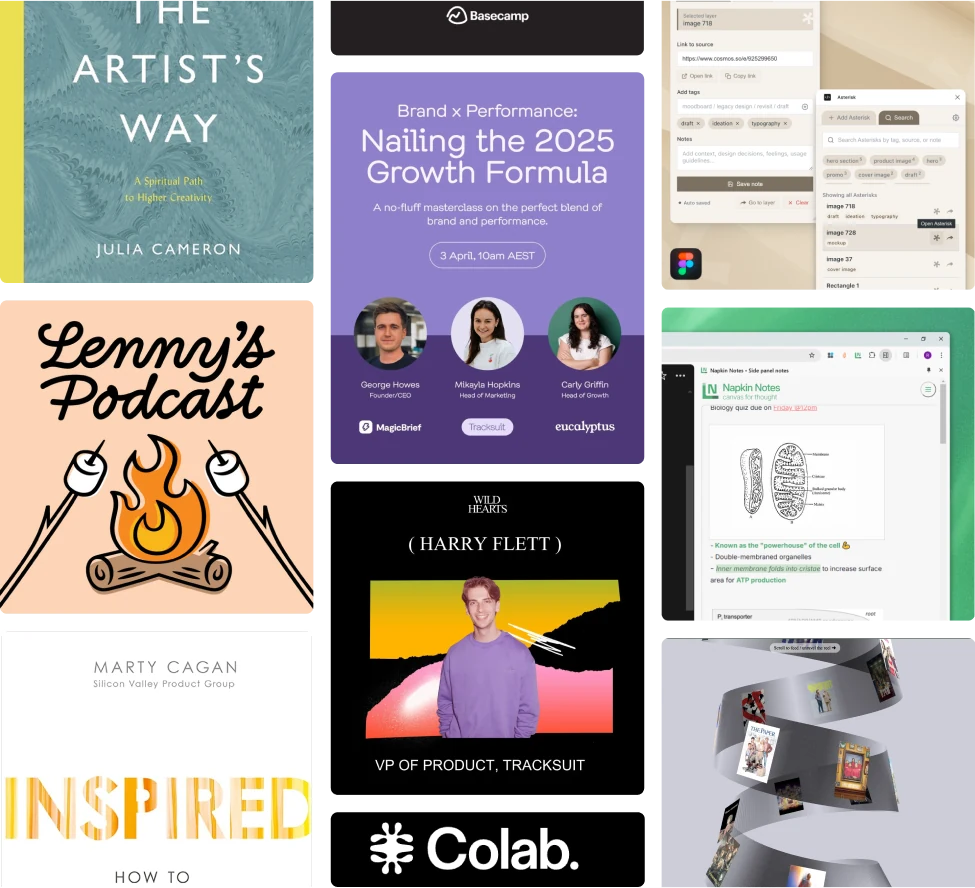
Learning sources: Lenny's podcast, PM frameworks, cohort-based learning, webinars, and books on systems thinking and creativity.

More mini-projects:
  • Napkin Notes (230 users) - a side panel Chrome extension solving a real team pain point of capturing notes without friction.
  • Asterisk (30 users) - a Figma plugin for anotating and organising design inspiration.
  • Draftline - a personal tool built with the intention of improving my writing skills by reviewing each round of iterations
Learning visual

Where I Hope to Fit

Ron in studio

I love digging into how products feel, function, and grow. Whether it's uncovering friction points, designing small experiments, or reframing insights into opportunities. I naturally gravitate toward connecting data and design with human behaviour.

I'm particularly drawn to Product as it builds on everything I’ve learned so far - computer science, finance, data, design, consulting, and customer success.

Though as the roles in the tech industry rapidly evolve, this is the work I find most fulfilling:

  • Identifying problems and new opportunities
  • Collaboratively brainstorming solutions with empathy
  • Navigating trade-offs to maximise real business value
  • Leveraging AI tools to bring ideas and concepts to life quickly

If you’re after someone who is always eager to learn and loves to build, I’d love to be part of the team!

And if there isn’t a fit right now, I’d genuinely appreciate any feedback on how I could become a stronger candidate for sometime down the *track*

Let’s Chat!

Two questions I’m curious about:

What helps first-time customers understand what “healthy” looks like when it comes to their brand metrics?

Do most teams review their metrics at quarterly or annual check-ins, or are insights integrated more naturally into their daily tools?